
Every high-performing MSP is most likely to have neurodivergent IT technicians among their top performers on the help desk or NOC floor. This is neither a coincidence nor a trend. It reflects something the industry has been slow to name.
Autism and ADHD are the two forms of neurodivergence most commonly observed in high-performing IT roles, and each contributes different strengths. Autism tends to bring pattern recognition, systems thinking, comfort with detailed technical work, and reduced friction with logic-heavy tasks that others find dry. ADHD tends to bring hyperfocus on genuinely interesting problems, energy for chasing anomalies, and unusual persistence when a stubborn issue refuses to resolve. Neither profile is universal, and many neurodivergent technicians have overlapping traits from both. But the distinction is important because the strengths and the challenges look different for each. These aren’t skills picked up through training alone. Many are the way certain brains naturally work.
Yet many MSP owners still don’t realize why certain techs consistently outperform their peers on complex tickets. Understanding the neurodivergent advantage isn’t just about inclusion for its own sake, though that matters too. It’s about recognizing a talent pipeline that’s been hiding in plain sight.
The Pattern Recognition Advantage in Ticket Triage

These technicians treat a support ticket less like a checklist and more like a mystery worth solving properly. Instead of closing a ticket the moment the symptom disappears, they keep digging until they find what actually caused it. That instinct can lead to a reduced number of repeat tickets a help desk sees, since the underlying problem gets fixed instead of temporarily patched over.
Recurring incident detection follows a similar thread. Techs with ADHD or autism often notice a pattern across tickets that look unrelated on the surface, connecting a slow printer here to a misbehaving switch there faster than a standard triage script would suggest. This kind of pattern spotting reflects real neurodiversity in IT support, turning what looks like scattered attention into a genuine diagnostic edge.
A note before this article goes further: we’re writing this from the perspective of MSPs and support-operations leaders who’ve seen these patterns across dozens of teams. We’ve tried to ground the observations in research from neurodivergent researchers and in the way neurodivergent professionals describe their own experience. Where we’re generalizing from outside observation rather than lived experience or published research, we’ve tried to say so.
Log analysis rewards a similar kind of mind. Scrolling through thousands of lines of raw output sounds tedious to most people, yet plenty of techs that fit this pattern find a strange satisfaction in it. They catch the one entry that looks slightly off, the timestamp that doesn’t line up, or the error code that shouldn’t be there at all.
All of this adds up to faster diagnosis on the tickets that actually matter, the ones stuck in tier two or tier three because nobody else could crack them. The kinds of tickets that get stuck in tier 2 or tier 3 often need exactly this kind of diagnostic patience: the tech who won’t accept the surface-level fix and keeps digging until the actual cause reveals itself.
Hyperfocus and the Deep Troubleshooting Session
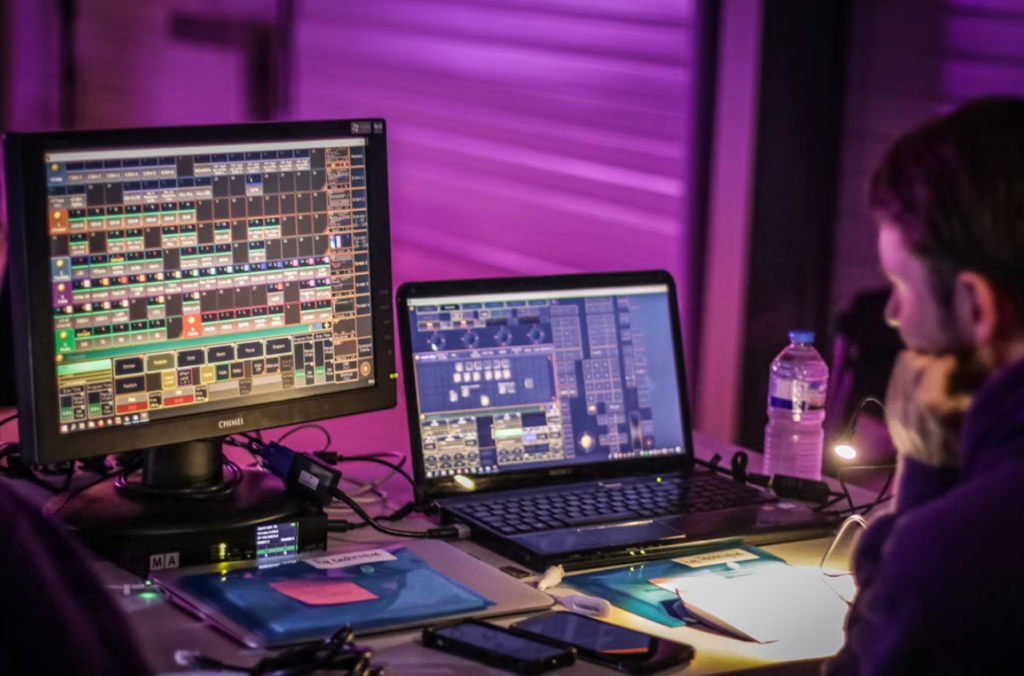
Hyperfocus gets a bad reputation outside of tech circles, but on a help desk it turns into one of the most valuable traits a technician can carry. When a server issue refuses to resolve itself after the first two attempts, some people lose steam. For many with ADHD, hyperfocus kicks in when the problem is genuinely interesting, and they stay locked into it until it resolves. The involuntary side of hyperfocus is not a choice to persist so much as a difficulty in disengaging until the problem is solved. On the right ticket, that’s exactly the trait a help desk needs.
That same focus makes context switching less draining. A technician juggling five open tickets at once usually pays a mental tax every time they jump between them. Neurodivergent staff push through that switch with less friction, staying sharp on ticket three even after ticket one dragged on longer than expected.
This comfort with long remediation work matters more than most staffing plans account for. ADHD in help desk roles doesn’t always look like distraction; sometimes it looks like the willingness to sit with a stubborn issue long after a colleague has moved on to something easier.
Reduced burnout follows a similar logic. Repetitive troubleshooting wears down a typical technician within a year, yet it tends to suit someone whose brain treats a fresh ticket like a new puzzle rather than a rerun of yesterday’s grind. On how staffing decisions can support this pattern, you can find out more about the approach we, as MSPs, are taking.
Why Structured Environments Suit Neurodivergent Strengths
A ticketing system does more than track work; it gives technicians a clear structure to operate within. For many neurodivergent employees, that structure removes a layer of guesswork that would otherwise eat into their energy. Knowing exactly what fields to fill in and what counts as a resolved ticket turns an open-ended job into something far more manageable.
Standard operating procedures work the same way. A written SOP spells out the steps instead of leaving a technician to guess what their manager expects, and that clarity plays directly into neurodivergent strengths in technology, where precision and consistency tend to matter more than improvisation.
Escalation paths carry a similar benefit. When a tech knows exactly who to loop in for a given scenario and when, it removes the anxiety of judging when to ask for help. Rather than second-guessing themselves, they follow a path that’s already been mapped out and move on to the next ticket.
Predictable routines round this out. A stable shift schedule and a consistent workflow let a technician build momentum instead of resetting the process every single day. Different personalities fit different roles in IT, and structured positions like help desk or NOC work often play to strengths that a chaotic office would otherwise waste.
Structure isn’t the whole story of what neurodivergent employees need to succeed. Real accommodations, the ones documented across the workplace neurodiversity research and reported directly by neurodivergent professionals, include:
- Flexible scheduling around focus and energy cycles
- Remote or hybrid work options that reduce sensory overload
- Sensory-friendly physical spaces (quieter areas, adjustable lighting, noise-cancelling headphone allowances)
- Written communication preferences over verbal-only channels
- Extended or modified interview processes that don’t punish candidates for lower performative social skills
- Management styles that give explicit direction rather than relying on implicit social cues.
An MSP that installs a ticketing system and calls that its ‘neurodivergent-friendly environment’ is missing most of what actually matters
Direct Communication Styles and Technical Accuracy

Literal interpretation, a trait more commonly associated with autism than with ADHD, can seem like a weakness in casual conversation but becomes a real asset once documentation enters the picture. A technician who takes instructions at face value tends to write ticket notes the same way, spelling out exactly what was done instead of leaving room for a colleague to guess later.
That same trait shows up as a reduced tolerance for vague requests. When a client says the system is “acting weird,” a lot of neurodivergent technicians push for specifics right away instead of nodding along and guessing later. That pressure for detail usually gets the ticket resolved faster, since guesswork rarely fixes anything on the first try.
Blunt feedback plays a role too. A technician who tells a manager directly that a fix will not hold, instead of softening the message until it loses meaning, gives the team accurate information to work with. That honesty carries real value in an industry where a misdiagnosed issue can cost hours of downtime later.
This pattern comes down to wiring more than temperament. Because neurodivergence is defined differently, no two technicians communicate exactly the same way, but the tendency to value accuracy over social smoothing shows up again and again across help desk teams.
How to Actually Hire Well for This
Standard hiring practices filter out many neurodivergent candidates before their technical skills ever get evaluated, which is one reason MSPs interested in this talent often struggle to find it. A few practical adjustments make the pipeline meaningfully better:
- Write job descriptions with concrete skills rather than ‘culture fit’ language. Phrases like ‘excellent communicator,’ ‘team player,’ and ‘thrives in ambiguity’ filter out neurodivergent candidates who may excel at the actual work. List the actual technical skills and outcomes you need.
- Use structured interviews with the same questions in the same order for every candidate. Traditional ‘get to know them’ conversational interviews reward performative social skills over technical competence. Structured interviews focus on what a candidate can actually do.
- Offer take-home technical assessments instead of live coding or whiteboarding. Time-pressured performative testing is a poor predictor of on-the-job performance for anyone, and it’s particularly bad for neurodivergent candidates who process information differently.
- Send interview questions in advance where possible. This is not “cheating” — it’s letting candidates demonstrate what they know rather than how quickly they can perform under artificial pressure. The best software companies have been doing this for years.
- Screen for the work, not the vibe. If a candidate’s technical skills fit the role, be honest with yourself about what “culture fit” concerns are actually measuring. In most cases, they’re measuring how much the candidate reminds you of yourself, which is not a job-relevant criterion.
None of these adjustments cost anything. They just require replacing hiring habits that filter for surface conformity with hiring habits that measure the actual job.
The Advantages Come With Some Trade-Offs
None of this means neurodivergent hires are automatically the right call for every MSP, and the framing of neurodivergence as a set of pure advantages is where a lot of well-intentioned articles go wrong. The same autistic traits that produce excellent log analysis can make client-facing phone work genuinely draining. The same ADHD hyperfocus that solves stubborn tickets can make routine administrative work miserable. Sensory sensitivities can make open-plan help desk floors actively hostile. The fluorescent lights, the ambient chatter, and the constant interruptions are exactly the conditions that autistic and ADHD professionals often struggle with most.
The ‘structured environment’ the earlier sections describe helps, but it isn’t a substitute for the specific accommodations different technicians need. Building an MSP that actually gets the value neurodivergent technicians can deliver means designing the work around what the human being brings (instead of hiring and hoping they adapt).
Wrap Up
Neurodivergent IT technicians aren’t a niche hiring trend; they’re a proven source of some of the sharpest troubleshooting on any help desk. Their pattern recognition, hyperfocus, and directness solve problems other technicians miss or avoid. MSPs that build structure into their workflows, from clear SOPs to written instructions, tend to get the most out of this talent rather than losing it to burnout or mismatched expectations. Technicians already exist in plenty of teams. The question is whether the environment around them lets that talent actually show up.
If you want to see how a support operation is built around getting real value from the people who work in it, check out our website for a closer look at how we approach staffing and structure.




0 Comments