
What is behind the growing number of foreigners moving to Serbia in recent years? In this article, we’ll look at some of the main reasons Serbia has attracted more international attention as a place to live, work, and settle for longer periods.
We’ll also answer questions such as: How can you stay in Serbia long-term? What is life in Serbia like for foreigners? And which places in Serbia tend to appeal most to expats?
Why Are So Many Foreigners Moving to Serbia?
- Affordable lifestyle
- Remote-work friendly lifestyle
- A sense of openness and flexibility
- Serbia’s rise as a relocation hub after 2022
- A generally comfortable day-to-day lifestyle
- The art and music scene
- English-speaking and welcoming locals
For a European country, Serbia is still considered relatively affordable, especially for people earning in stronger foreign currencies. Combined with its central location and easy access to other parts of Europe, that has made cities like Belgrade increasingly attractive to foreigners looking for a base in the region. But beyond cost and location, what makes people decide to stay longer-term? Keep reading for some of the main reasons more foreigners have been choosing Serbia.
1) Serbia’s affordable lifestyle
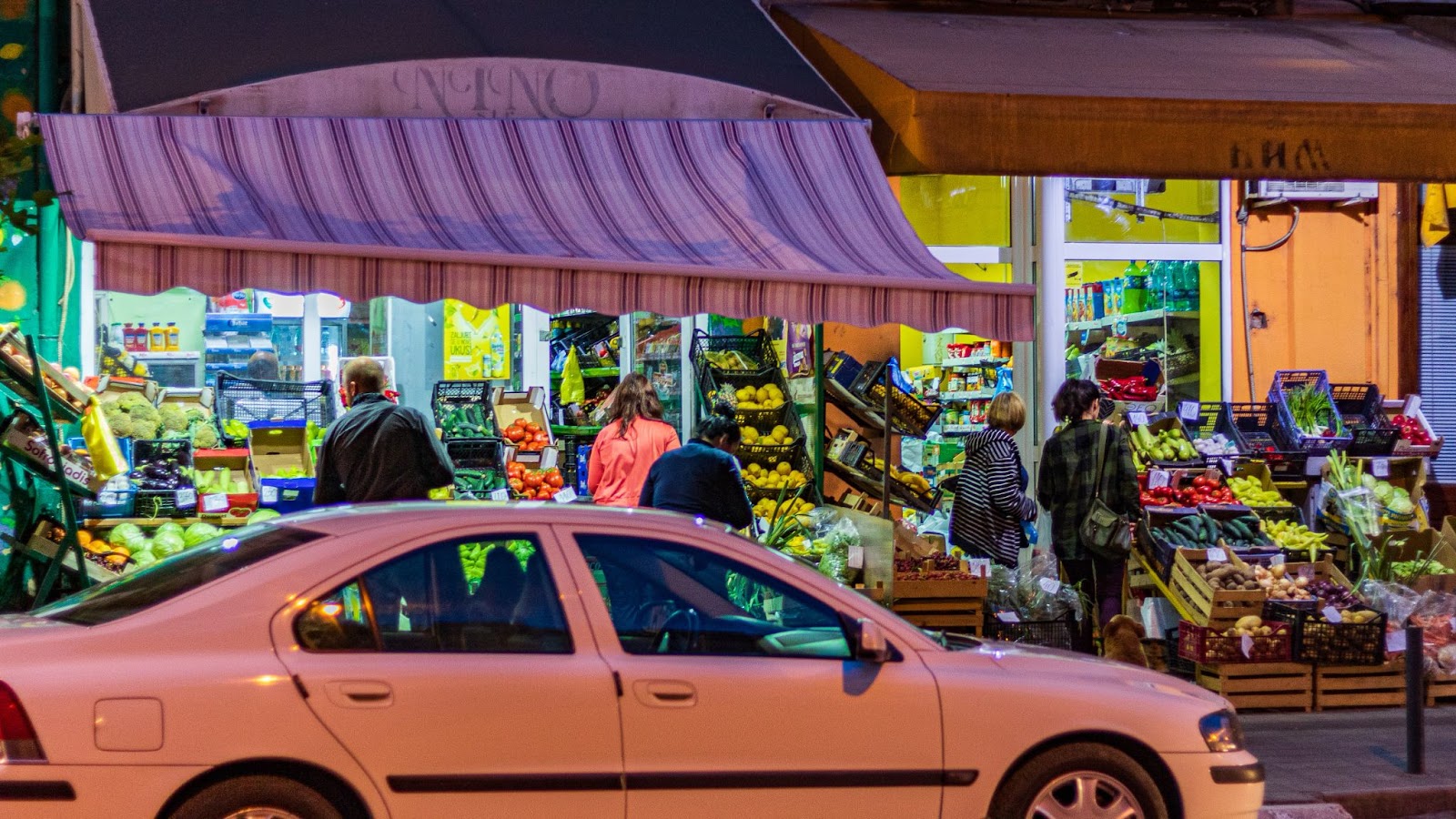
Affordability is one of the biggest factors people consider when deciding whether to move abroad, and Serbia continues to stand out for many foreigners in that respect.
Like many countries, Serbia has also felt the effects of inflation, and prices for rent, groceries, and utilities have risen in recent years. Even so, the overall cost of living can still be appealing compared with many parts of Western Europe and North America, especially for foreigners with remote income or savings in stronger currencies.
That relative affordability is one of the main reasons many foreigners decide to relocate to Serbia or stay for longer than originally planned.
2) Great remote working communities in Serbia
For many foreigners, Serbia works well as a remote-work base because it combines a relatively affordable day-to-day lifestyle with lively urban centers, cafés, coworking options, and communities of freelancers, founders, and remote professionals.
For remote workers in Serbia earning in stronger foreign currencies, that can translate into a more comfortable lifestyle than they might be able to maintain in more expensive parts of Europe or North America. Just as importantly, cities like Belgrade and Novi Sad make it easier to meet like-minded people, exchange ideas, collaborate on projects, and build a routine.
3) A sense of openness and flexibility
Many foreigners describe Serbia as having a certain openness and flexibility in everyday life, especially in larger cities such as Belgrade, Novi Sad, and Niš. While bureaucracy can sometimes be slow or frustrating, daily life often feels informal, social, and adaptable, which some expats find refreshing.
Why do some foreigners feel this sense of openness in Serbia?
There is a strong café and social culture.
People are often direct, talkative, and willing to help.
It can be easier to build connections and settle into a routine.
There are opportunities for entrepreneurship, freelancing, and independent projects.
Rather than presenting Serbia as “freer” than every other European country, it is more accurate to say that many foreigners experience it as flexible, socially open, and relatively easy to navigate once they settle in.
4) Serbia’s rise as a relocation hub after 2022
One reason Serbia received much more international attention after 2022 was its role as a relocation hub for people leaving Russia and Ukraine. During that period, Serbia remained unusually accessible compared with many other countries in Europe, and Belgrade in particular became a practical base for relocation, business setup, and longer stays.
In March 2022, Air Serbia increased flights to Moscow while many European countries had already restricted Russian aviation. That visibility, combined with Serbia’s accessibility and relatively low cost of living, helped put the country on the radar for many foreigners who had not previously considered it as a place to live. Some later moved on, while others stayed and built businesses, communities, and new lives in Serbia.
5) Is it safe for foreigners in Serbia? …Yes!
Many foreigners experience Serbia as a comfortable and relatively easy country to live in, especially in larger cities. Day-to-day life often feels relaxed, and many expats find that it is easy to move around, socialize, and build a routine.
That said, it is better not to describe any country as completely risk-free. As with most destinations, it is still wise to take normal precautions, especially in crowded areas, around transport hubs, and late at night. Basic common sense — such as using licensed taxis or reputable ride apps and staying aware of your surroundings — goes a long way.
6) The art and music scene
Why do we consider this a factor that attracts people to relocate to Serbia? Simply because access to art and music venues creates a specific atmosphere that seeps through the whole society. It changes people’s mindsets and creates a safe space for artists around the world to express themselves and work on their craft.
But can one live off of creating art in Serbia? It’s hard, like in many places, it’s nearly impossible to support yourself from art alone. However, Serbia is a solid playground for many forms of art, and collaborating is easy and pleasurable since there are many creative people eager to connect.
Serbia has good art programs at schools and festivals, as well as individuals and organizations supporting artists.
7) Proficient English-speaking and welcoming locals
One thing that surprises many foreigners is how widely English is spoken, especially among younger people, in cities, and in professional settings.
This makes everyday life easier for many expats, particularly in the early stages of settling in. Just as importantly, many visitors describe Serbian people as friendly, direct, talkative, and willing to help.
It is not unusual for locals to start conversations, offer directions, or show curiosity about where someone is from.
That social openness can make Serbia feel easier to navigate and more welcoming for foreigners than they initially expected.
This mix of communication, informality, and social warmth is one of the reasons Serbia leaves a strong impression on many foreigners who come to live there.
How to relocate to Serbia and stay long-term
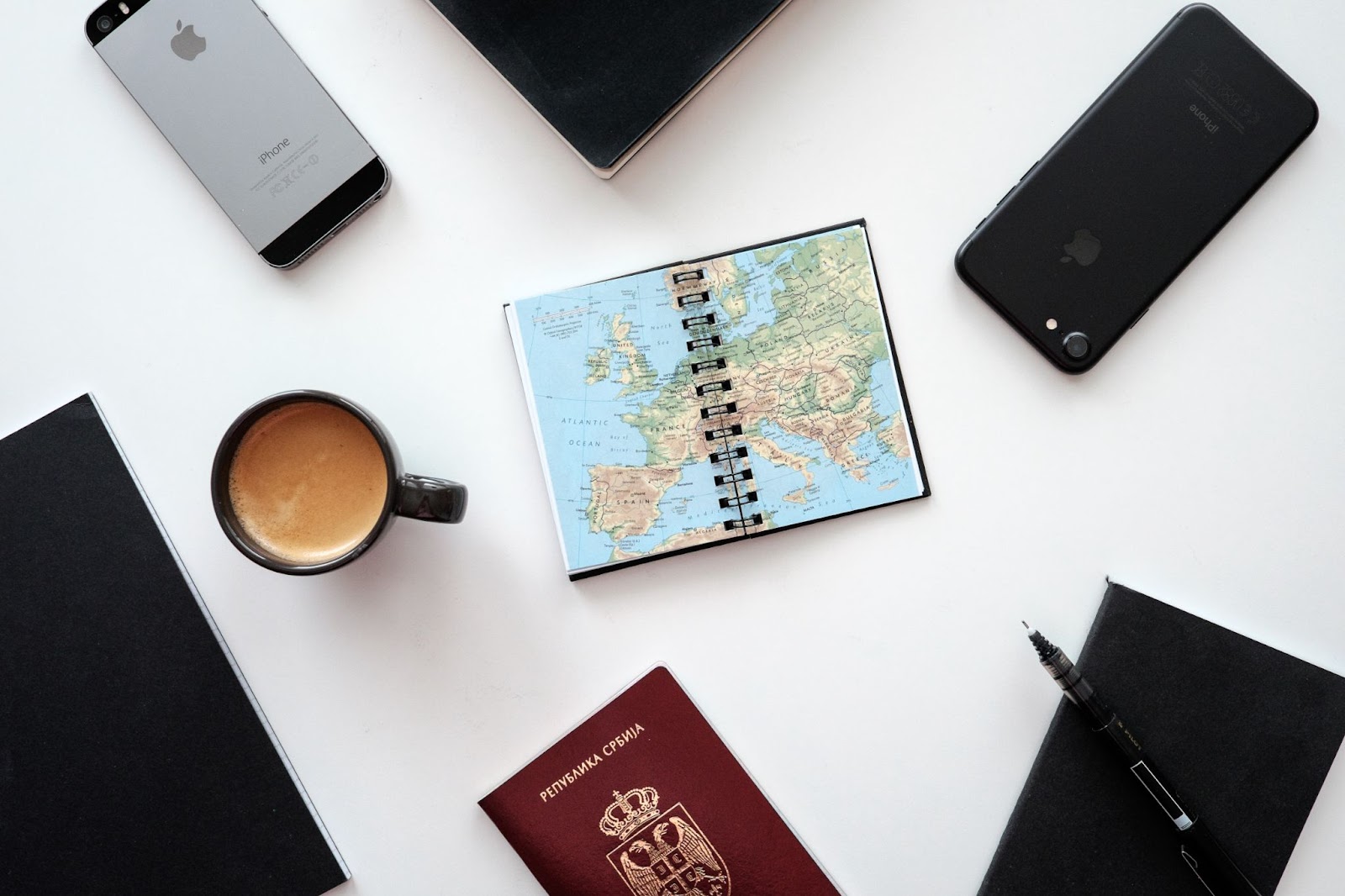
For many foreigners, a short stay in Serbia is enough to get a feel for the country, but it is usually not enough to settle in properly. If you want to stay longer, it is worth understanding Serbia’s current temporary residence system and the legal grounds on which longer stays can be approved.
Under Serbia’s current rules, foreigners can generally apply for permanent residence after 3 years of continuous residence based on approved temporary residence or an approved single permit.
Some of the common routes foreigners explore for staying in Serbia longer include:
- Extending a short stay in specific cases
- Opening a company or working as an entrepreneur
- Buying property
- Becoming employed by a Serbian company
- Bonus! Apply to work as a tech for our own MSP staffing company
Extending your stay in Serbia
A short stay in Serbia is usually limited to up to 90 days within a 180-day period, depending on your nationality and visa status. In some situations, it may be possible to extend a visa or otherwise regularize a longer stay, but this depends on the legal basis and supporting documentation. It is better not to assume that repeated border runs are a reliable long-term solution.
Opening a company in Serbia as a foreigner
Starting a company or registering as an entrepreneur can be one of the legal grounds on which a foreigner applies for temporary residence in Serbia. The exact process depends on the business structure and the supporting documentation, but business activity remains one of the recognized long-term stay options for foreigners.
Obtaining employment by a Serbian company as a foreigner
Under Serbia’s current system, standard employment-based cases are generally handled through a single permit, which combines temporary residence and work authorization in one procedure. Applications are submitted electronically through Serbia’s official Portal for Foreigners. Serbia’s official overview of temporary residence and the single permit is the best place to verify the current rules.
If a foreigner needs a visa to enter Serbia for employment, they will usually first need a D visa, which allows a stay of 90 to 180 days. For longer stays, the person would then rely on temporary residence or a single permit, depending on the basis of stay. According to Serbia’s official guidance, temporary residence or a single permit can generally be issued for up to 3 years and extended. If you want a broader overview of employment options too, see our guide to job opportunities for foreigners and expats in Serbia.
Can foreigners buy property in Serbia?
In many cases, yes — but the rules depend on nationality and legal reciprocity. In practical terms, that means whether Serbia and the foreigner’s home country recognize similar property rights for each other’s citizens.
Property ownership can also matter for immigration purposes. Serbia’s current official system recognizes ownership of real estate as one of the possible residence-related grounds, but foreigners should not assume that buying property automatically guarantees long-term residence or the right to work. The exact outcome depends on the legal basis, the supporting documentation, and the applicant’s individual circumstances. You can review Serbia’s official guidance on ownership of real estate as a residence-related basis.
Foreign legal persons can also acquire property in Serbia in certain business-related situations, but the rules are more limited and should be checked carefully before making plans.
Because property and reciprocity rules can change and may differ by citizenship, it is best to verify the current legal position before buying real estate in Serbia.
What is it like to live in Serbia as a foreigner?
Many foreigners describe life in Serbia as socially rich, relatively affordable compared with Western Europe or North America, and easier to settle into than they expected.
A big part of that comes down to everyday life. In cities like Belgrade and Novi Sad, there is a strong café culture, a lively social atmosphere, and a feeling that it is easy to build routines, meet people, and find your place. Some foreigners are drawn to the energy of Belgrade, while others prefer the slower rhythm of Novi Sad, Niš, or more rural parts of the country.
At the same time, life in Serbia is not identical for everyone. Your experience will depend a lot on your income, your lifestyle, the city or region you choose, and whether you are living on local earnings or foreign income. Some foreigners enjoy the flexibility and informality of life in Serbia, while others find bureaucracy, infrastructure, or housing challenges frustrating.
Overall, many expats are drawn to Serbia because it can offer a combination of affordability, social warmth, and day-to-day livability that feels harder to find in more expensive parts of Europe.
What is a good salary to live on in Serbia?
This depends heavily on where you live, what kind of lifestyle you want, and whether you are renting in a more expensive city such as Belgrade or in a more affordable part of the country.
Serbia’s salary picture has changed a lot in recent years. According to the Statistical Office of the Republic of Serbia, the average net salary in December 2025 was 124,089 RSD, while the median net salary was 90,819 RSD. You can check the latest official salary data on the Statistical Office of the Republic of Serbia.
In practice, foreigners often experience Serbia very differently from locals because many expats earn in euros, dollars, or other stronger currencies. That can make rent, food, transportation, and leisure feel far more manageable than they would on an average local salary. For a more practical budget breakdown, you can also read our guide on living in Serbia on $1000 a month.
Rather than focusing on one “ideal” number, it is more realistic to say that comfort in Serbia depends on your rent, neighborhood, lifestyle, and whether your income is local or foreign-currency based.
Health insurance
Healthcare costs in Serbia depend on your legal and insurance status. Serbia’s official health insurance system provides coverage to insured persons, while foreign citizens on a temporary stay are entitled to urgent medical care. In many cases, foreigners living in Serbia rely on a mix of public eligibility, private insurance, employer-provided coverage, or out-of-pocket private care, depending on their situation. You can read Serbia’s official guidance on urgent medical care for foreign citizens during temporary stay.
Where in Serbia do foreigners live?
The largest Serbian cities tend to attract the most foreigners, but many expats also choose smaller towns or rural areas depending on their lifestyle, budget, and work setup. Some prefer the energy and convenience of city life, while others are drawn to a slower pace and more space outside major urban centers.
If you are also exploring work options while deciding where to live, you can read our guide to job opportunities for foreigners and expats in Serbia.
Belgrade, Serbia for foreigners
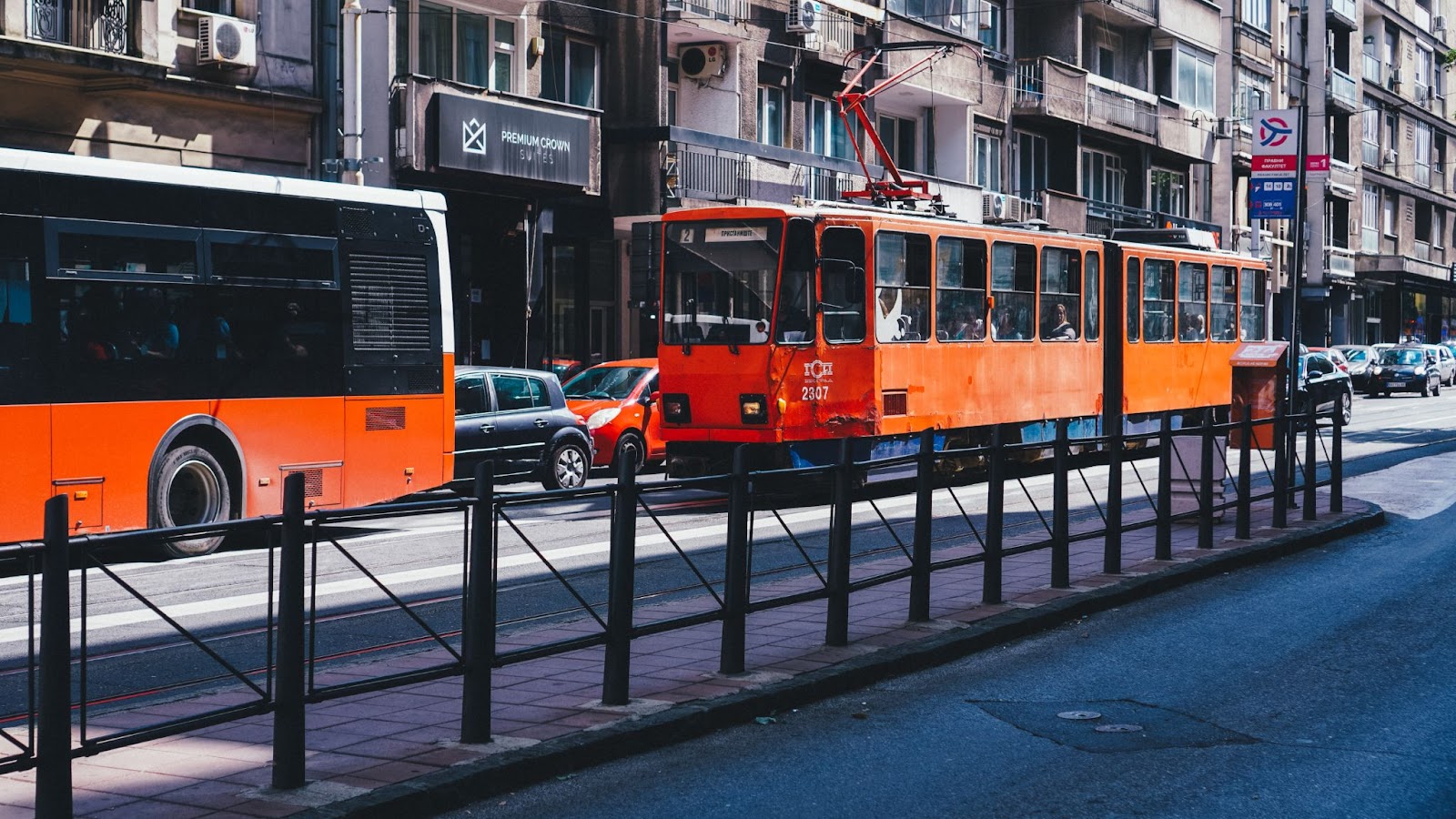
As the capital and largest city in Serbia, Belgrade is usually the first choice for foreigners who want the widest range of job opportunities, coworking options, international connections, nightlife, and city conveniences.
It is busy, fast-moving, and often crowded, but it is also highly social and full of energy. Many foreigners choose Belgrade because it offers the broadest mix of business activity, restaurants, cafés, events, and neighborhoods to explore. For people who want a large-city lifestyle in Serbia, Belgrade is usually the most practical place to start.
If you want to learn more about our connection to Serbia and where our team is based, you can also visit Support Adventure Location: Where Are We Located?.
Novi Sad, Serbia for foreigners
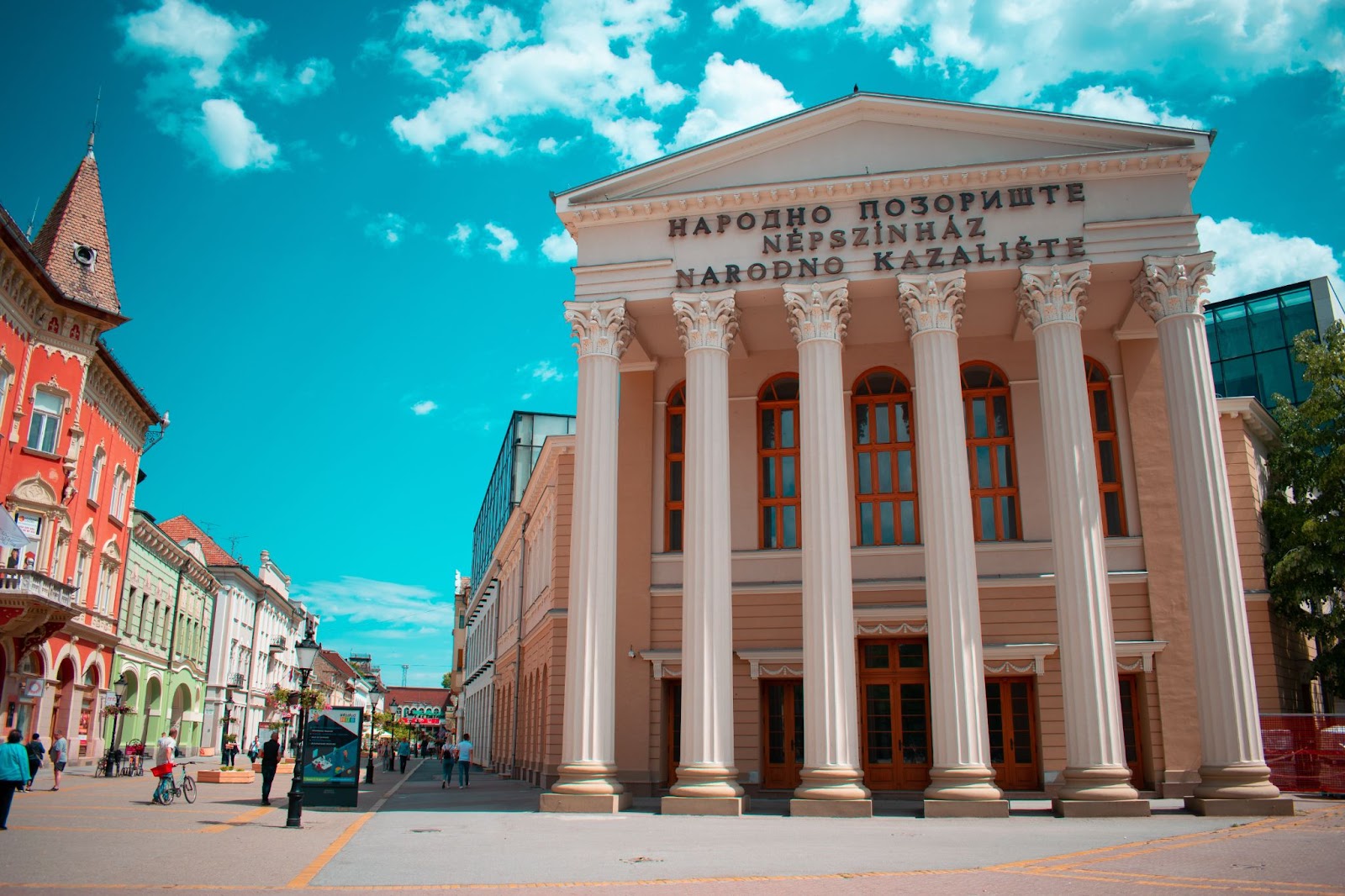
Novi Sad is often the top choice for foreigners who want something calmer than Belgrade while still enjoying a modern, well-connected city. It is smaller, flatter, and generally more relaxed, which makes it appealing to people who prefer a slower pace of life.
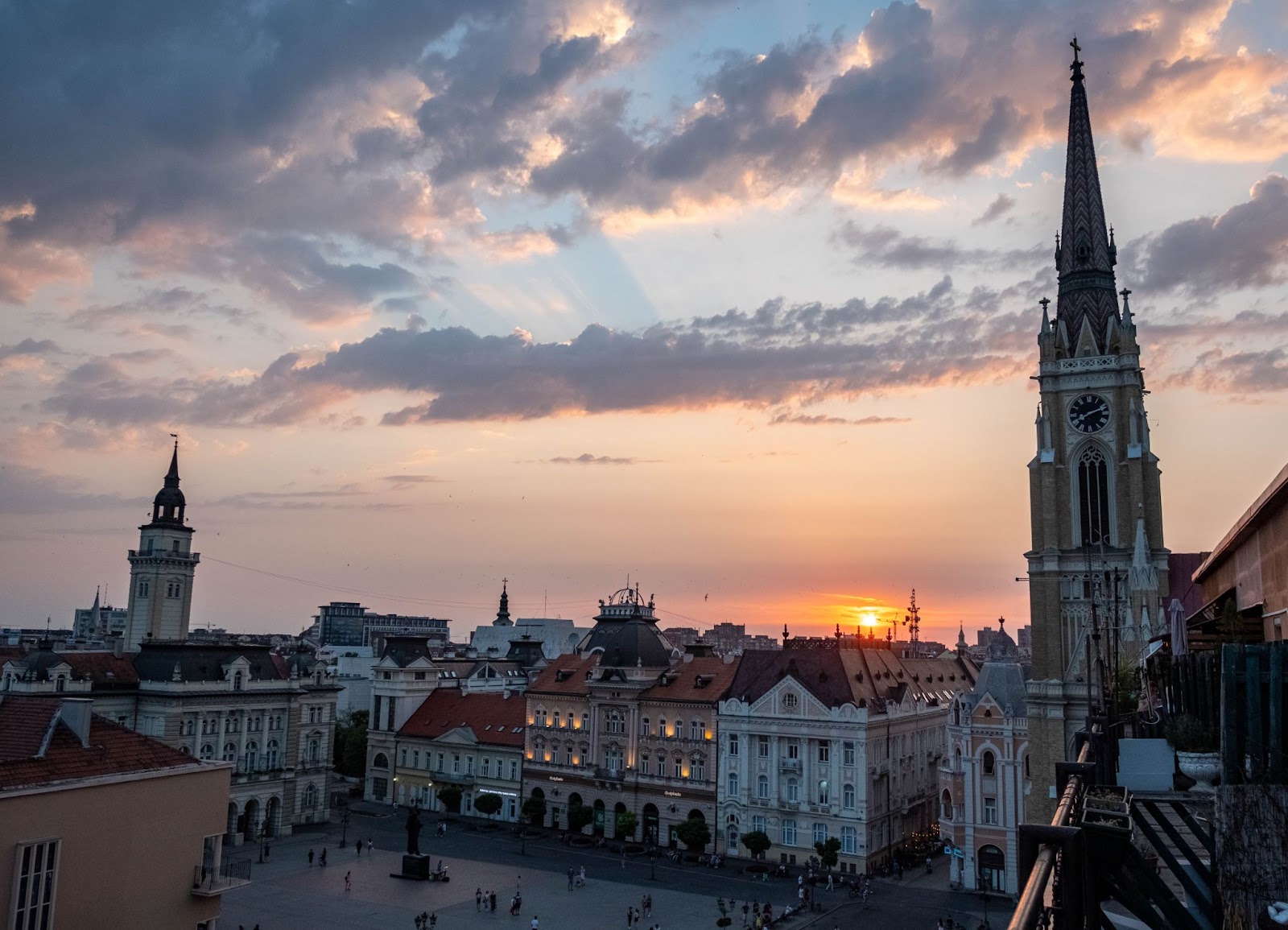
It is also known for its student population, cultural life, and welcoming atmosphere. Many expats see Novi Sad as a comfortable middle ground: lively enough to feel connected, but calm enough to feel manageable day to day. The city’s tourism organization also highlights its cultural heritage, events, and riverside setting, which help explain why it appeals to both visitors and longer-term residents.
Niš, Serbia for foreigners
Niš is the largest city in southern Serbia and is often chosen by people who want a more laid-back, lower-cost alternative to Belgrade or Novi Sad. It has a strong local identity, a long history, a large student presence, and easy access to nature and the surrounding region.
For foreigners who do not need to be in the capital, Niš can be an appealing option because it combines city life with a more relaxed rhythm. It is especially attractive to people who value affordability, food, and a less hectic everyday environment.
Rural Serbia for foreigners
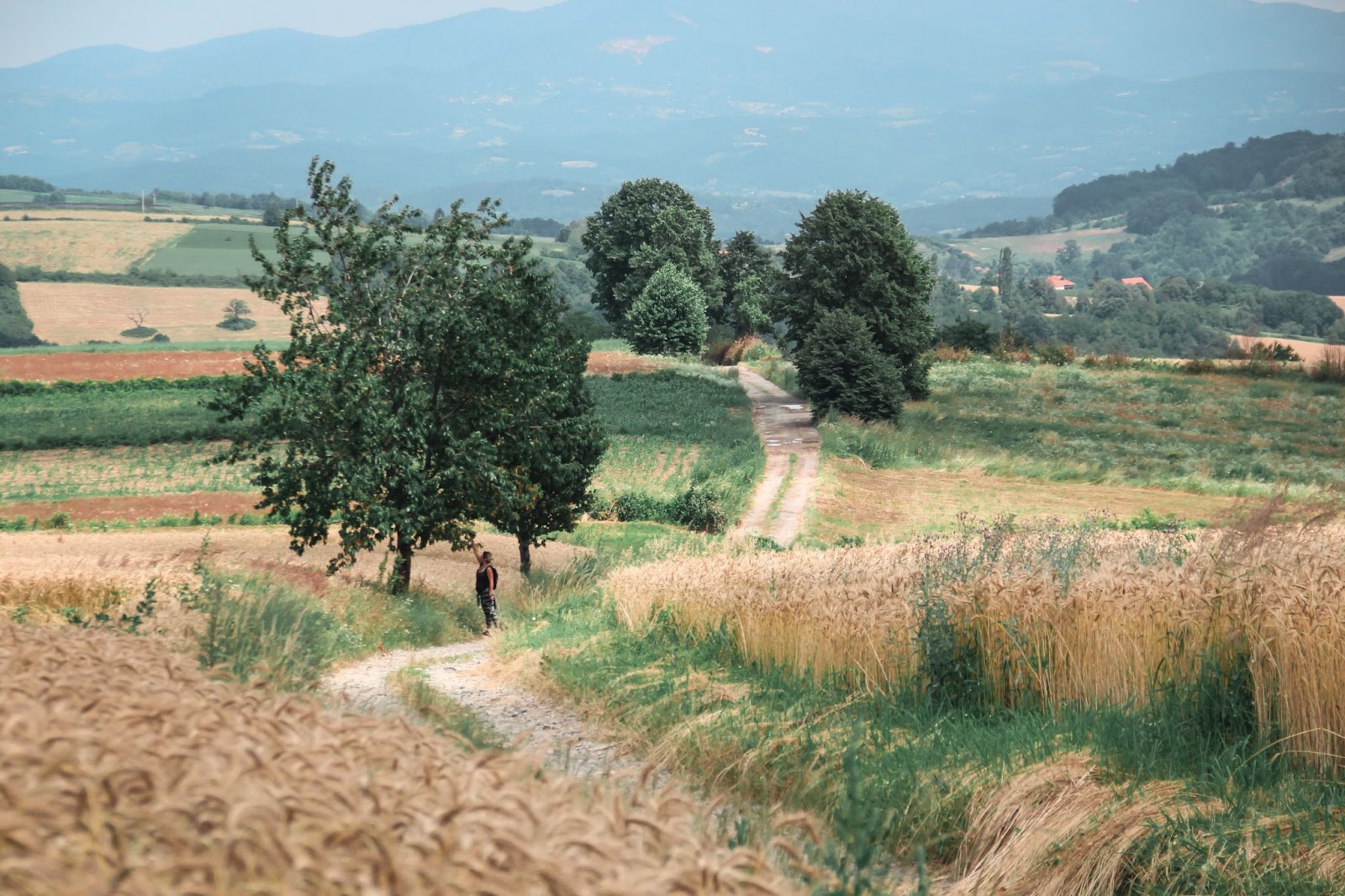
Not all foreigners in Serbia choose city life. Some are drawn to smaller towns and rural areas because they want more independence, lower housing costs, closer access to nature, or a quieter lifestyle.
Living in rural Serbia can be rewarding, but it usually works best for people who are flexible, self-directed, and financially prepared. In many cases, foreigners living outside the main cities rely on remote income, online work, self-employment, or business activity rather than local village employment.
Earn an above-average income in Serbia with Support Adventure
With years of experience in the IT space, we at Support Adventure provide remote jobs for travelers and expats with IT experience or interest. We occasionally have non-IT positions available too, such as admin assistance. Our company has helped expats work with us from all over the world while living in the places that suit them best.
If you or someone you know is looking for a 100% remote opportunity, you can learn more about our Remote IT Support Technician role or apply through our job application form.


0 Comments