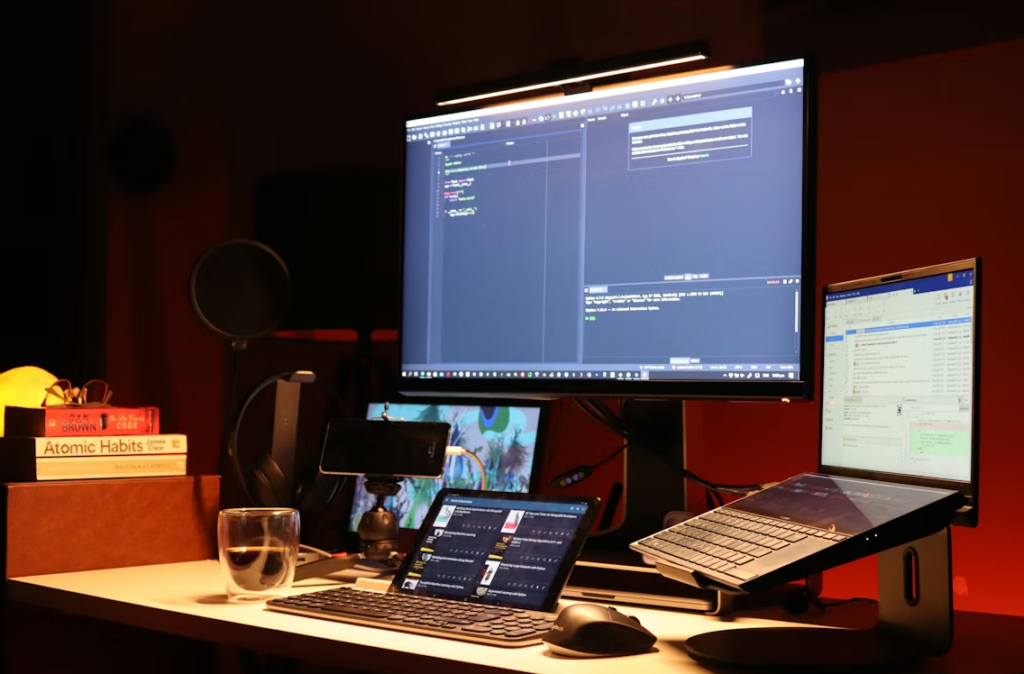
A remote service coordinator plays a crucial role in keeping teams, clients, and workflows connected, even when everyone is scattered across different locations. Because so much of today’s work happens online, the need for someone who can manage communication, schedules, and expectations has never been more important.
This role goes far beyond simply passing messages along. A strong coordinator anticipates issues, organizes information, and ensures every request reaches the right person at the right time. You see how this creates a smoother experience for both internal teams and customers.
At the same time, the position requires a mix of tech-savvy skills, process understanding, and the ability to remain calm when things get busy. When done well, it becomes the backbone of efficient remote operations—and a major reason why distributed teams stay productive and aligned.
Core Responsibilities of a Remote Service Coordinator

Managing client requests sets the tone for the entire workday, and you quickly see how important it is to prioritize tasks intentionally rather than reacting to every new message. A remote service coordinator faces shifting expectations and constant communication, so choosing what matters most upfront helps keep the workload steady and prevents unnecessary stress.
Coordinating team workflows often feels like balancing moving parts that never fully slow down. You look at who is available, who needs support, and who has the right experience for a specific task. Specialists at a renowned MSP staffing agency claim that teams perform better when assignments align with strengths rather than being assigned at random.
Tracking service progress requires attention because requests rarely follow a straight, predictable path. Details shift, priorities change, or someone needs clarification before moving forward. Staying close to each update helps you catch delays before they escalate. That steady involvement keeps the entire process moving without placing unnecessary pressure on anyone.
Ensuring timely communication shapes clients’ perceptions of the service they receive. People want to know someone is paying attention, and short, clear updates help them feel supported. When you close the loop before they wonder what’s happening, you strengthen trust and help your remote MSP team maintain a reliable, consistent reputation.
Communication Skills That Keep Operations Smooth
Clear communication matters more than anything else when you work remotely, because misunderstandings easily pile up if messages lack detail. You spend most of your time updating stakeholders, checking in, and ensuring everyone has the right information before moving forward. It feels simple on the surface, but it becomes obvious fast that clarity saves time and prevents unnecessary frustration.
Active listening supports every client conversation because people often explain their problems in incomplete pieces. You pay attention not only to what they say but also to what they imply, and you confirm your understanding before proceeding. This habit reduces errors, especially when requests move quickly and multiple updates arrive at once.
Handling difficult conversations becomes less stressful when you stay calm and steady. Clients sometimes arrive frustrated, teammates occasionally feel overwhelmed, and your role is to steady the interaction without letting tension take over. You guide the exchange toward solutions instead of letting emotion dominate the moment, which makes a big difference in how smoothly things move afterward.
Maintaining communication logs helps the remote MSP team respond more quickly because everything is documented. When requests change or deadlines shift, you already have a written trail that explains what happened and why. This structure prevents chaos from creeping into daily operations and helps everyone stay informed without constantly repeating themselves.
Organizational Abilities That Drive Efficiency

Prioritizing tasks is where you feel the difference between a chaotic day and a controlled one. You look at what truly matters, what depends on other people, and what needs to move first to avoid slowing the entire workflow. Over time, this becomes second nature and helps you keep operations from spiraling during busy periods.
Managing schedules and calendars gives clients and teammates confidence that nothing significant will slip. Meetings, deadlines, and follow-up reminders pile up faster than most people expect, so you keep everything structured. This reliability builds trust because people know they won’t miss something crucial simply because it got buried under newer conversations.
Keeping documentation up to date may seem repetitive, but it directly improves efficiency. Notes, progress markers, and minor adjustments create a reference point for everyone involved. Skills needed in MSP work rely heavily on clean documentation, as it prevents confusion and eliminates the guesswork that often slows remote teams.
Creating consistent workflows ties everything together. You develop simple habits and repeatable processes that make each request easier to manage, even when conditions shift. These patterns keep everyone aligned and reduce the mental load of constant decision-making. They also help new team members adapt quickly, since the structure already guides them from task to task.
Technical Skills Needed for Remote Coordination
Mastering project management tools gives you a real advantage, as each platform becomes a central hub for the team’s work. You keep tasks up to date, manage deadlines, and share progress without requiring people to chase information. According to experts in outsourced MSP staffing, coordinators who understand tool ecosystems significantly reduce turnaround time.
Understanding CRM or ticketing systems allows you to monitor requests from the moment they arrive until they’re fully resolved. You track patterns, organize details, and keep history easily accessible so clients don’t need to repeat themselves. When you move confidently inside these platforms, you help the team respond more efficiently.
Troubleshooting basic technical issues saves significant time, as remote environments rely heavily on software that occasionally malfunctions. You don’t need deep technical expertise; you just need enough comfort to guide someone through restarting a tool, adjusting a configuration, or reconnecting to a platform. These quick fixes prevent small problems from becoming major delays.
Using communication platforms effectively improves every interaction. You adjust your tone to the channel, choose the right approach for the message, and keep things moving without overwhelming anyone with unnecessary details. This awareness supports your role and helps your remote MSP talent work smoothly across different environments and time zones.
Problem-Solving Skills for Handling Daily Challenges

Identifying issues early helps you prevent simple problems from snowballing. You notice when a request stalls, when communication drops, or when something feels off in the workflow. Addressing these patterns before they turn into real obstacles keeps your workload smoother and reduces stress for everyone who depends on you.
Offering practical solutions builds your reputation as someone who moves things forward rather than gets stuck. Clients and teammates don’t always need a perfect answer—they just need the next step. You assess your resources, identify constraints, and determine the path that makes the most sense at this time. That momentum matters more than perfection.
Managing unexpected delays requires patience and adaptability. You shift timelines, notify the right people, and reorganize priorities when things change suddenly. This flexibility demonstrates professionalism, as you remain steady even when circumstances require adjustments. It also keeps the remote MSP team running efficiently when conditions shift.
Staying calm under pressure helps you guide conversations and decisions without losing control. Pressure can escalate quickly in remote environments, especially when deadlines tighten. Your ability to remain composed keeps interactions productive instead of emotional. That steadiness reassures clients and keeps internal teamwork stronger during challenging moments.
Wrap Up
A remote service coordinator brings clarity, structure, and consistency to every part of the service process, which is why the role is critical in remote environments. When communication stays clear and workflows stay organized, both clients and teammates benefit. Strong coordination creates smoother operations, better outcomes, and a service experience people genuinely rely on.




0 Comments