
Building hybrid teams has become a practical strategy for companies that want to stay flexible while still maintaining strong internal expertise. As businesses face talent shortages and rising technology demands, combining in-house professionals with outsourced IT specialists helps them stay competitive without overstretching resources.
You see, hybrid setups allow organizations to scale faster and respond to change with less friction. Internal staff keep control over core processes and culture, while external experts bring fresh perspectives, niche skills, and faster execution. This balance often leads to better project outcomes and more efficient workflows.
Moreover, companies that embrace this model tend to improve collaboration across departments and time zones. With clear communication structures and defined responsibilities, hybrid IT teams can drive innovation, reduce operational pressure, and create a more resilient approach to managing technology initiatives.
Define Roles and Responsibilities Early

When organizations start building hybrid teams, they often underestimate the importance of defining who owns what from day one. In-house professionals usually understand internal systems, priorities, and workflows better than anyone else. Giving them control over the core architecture or long-term planning helps maintain direction and prevents confusion when external experts join ongoing initiatives.
Outsourced professionals, on the other hand, tend to shine when companies assign them highly specialized or time-sensitive tasks. This is especially true when combining outsourcing and in-house talent to accelerate delivery. Specialists from a renowned MSP staffing agency claim that clearly separating strategic ownership from execution responsibilities reduces friction and helps teams focus on what they do best.
Conflicts often arise when responsibilities overlap, and people unintentionally step on each other’s toes. Teams can avoid this by documenting expectations early and revisiting them as projects evolve. You see, hybrid setups work best when both internal and external members understand their decision-making authority, escalation paths, and reporting structure before serious deadlines begin to pile up.
Accountability structures matter just as much as skill distribution. Leaders who establish clear checkpoints, performance metrics, and ownership rules create an environment where hybrid MSP teams operate smoothly. Without this clarity, even talented professionals may struggle to align efforts, leading to delays, duplicated work, or unnecessary internal tension that slows progress.
Align Hybrid Teams With Business Goals
Hybrid IT models deliver the strongest results when leaders connect technical tasks directly to broader company objectives. Teams that understand how their work supports revenue growth, customer experience, or operational stability tend to stay more motivated. This clarity also helps decision-makers prioritize resources while building hybrid teams that remain focused on measurable outcomes.
Strategic alignment becomes even more important when companies rely on hiring remote MSP specialists to fill capability gaps. According to experts in outsourced MSP staffing services, organizations that define performance indicators early achieve faster integration and fewer misunderstandings. External professionals feel more confident when they understand success criteria instead of guessing expectations.
Not every project deserves equal attention, and hybrid teams must learn to balance urgency with long-term value. Leaders who rank initiatives based on business impact reduce unnecessary pressure on both internal staff and outsourced contributors. As a result, combining outsourcing and in-house expertise becomes a tool for smarter prioritization rather than simply a way to increase workload capacity.
Executive visibility also plays a crucial role in maintaining alignment. When leadership actively communicates goals, progress, and constraints, teams remain grounded in real business needs. Hybrid setups thrive when managers consistently reinforce direction, provide feedback, and adjust strategies based on changing market conditions or internal performance insights gathered during project execution.
Build Strong Communication Frameworks

Communication gaps often represent the biggest challenge when organizations experiment with hybrid IT structures. Teams spread across locations, time zones, or organizational boundaries require consistent collaboration channels. Companies that invest early in shared tools and routines create smoother workflows while building hybrid teams that can coordinate complex tasks without constant supervision.
Regular meetings help maintain momentum, but structure matters more than frequency. Short updates, clearly defined agendas, and shared documentation platforms allow both internal employees and outsourced experts to stay informed. During periods of transitioning from in-house to outsourcing, communication discipline becomes even more critical because expectations, responsibilities, and reporting habits may change quickly.
Transparency in reporting also strengthens trust across hybrid environments. When professionals openly share progress, blockers, and achievements, they reduce uncertainty and improve the speed of decision-making. This openness encourages hybrid MSP teams to collaborate rather than compete for visibility, which often occurs when people feel disconnected from leadership or are unclear about how performance is evaluated.
Escalation procedures deserve equal attention because delays in resolving issues can derail entire initiatives. Organizations that define who steps in when challenges arise protect productivity and morale. Structured communication frameworks ensure that combining outsourcing and in-house talent remains a strategic advantage rather than a logistical headache that slows down delivery timelines.
Manage Knowledge Sharing and Documentation
Knowledge management determines whether hybrid IT strategies create lasting value or temporary results. Companies that centralize documentation help new contributors ramp up faster and prevent critical insights from disappearing when contracts end. Strong documentation practices support building hybrid teams that evolve smoothly instead of restarting learning cycles with every new engagement.
Internal training programs also play a significant role in strengthening collaboration. When in-house professionals share institutional knowledge with outsourced specialists, they improve overall efficiency and reduce misunderstandings. At the same time, hiring remote MSP specialists introduces fresh techniques, tools, and problem-solving approaches that internal staff can adopt for future projects.
Capturing insights from external experts requires intentional effort. Teams that schedule retrospective sessions and create shared knowledge repositories transform short-term outsourcing arrangements into long-term capability upgrades. Over time, this process supports combining outsourcing and in-house talent in ways that enhance resilience and reduce dependence on individual contributors.
Preventing knowledge silos should remain an ongoing priority. When only certain individuals understand systems or processes, organizations risk operational disruptions during transitions. Well-structured documentation and cross-training initiatives allow hybrid MSP teams to maintain continuity, ensuring that projects continue moving forward even when staffing structures shift or workloads fluctuate unexpectedly.
Maintain Team Culture and Engagement
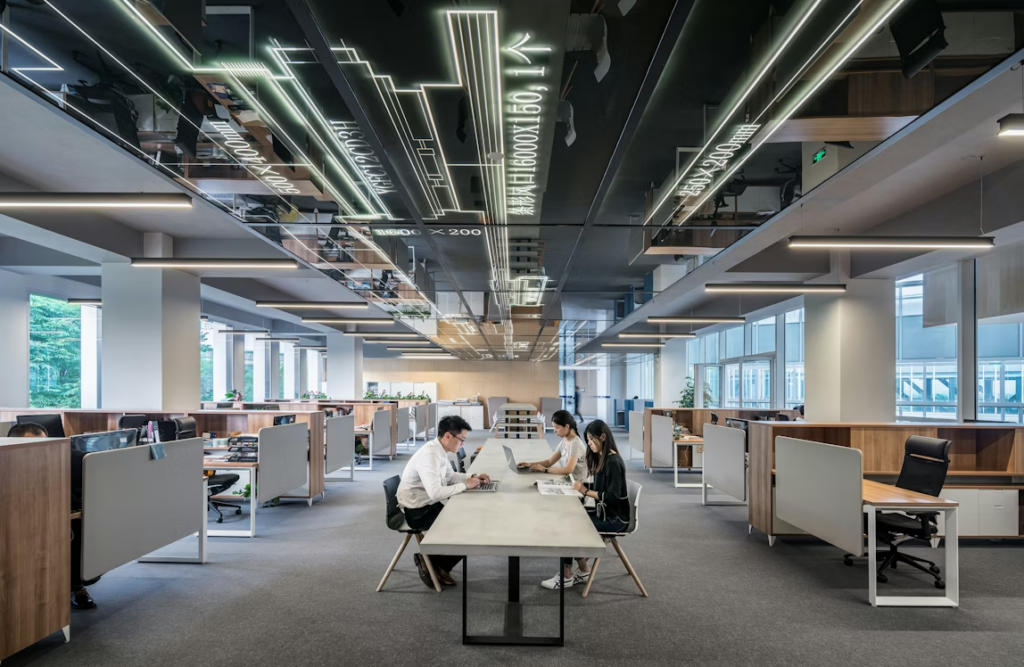
Hybrid IT environments often struggle with engagement because outsourced professionals may feel disconnected from the internal company culture. Leaders who actively include external contributors in planning sessions and informal discussions foster stronger collaboration. This approach supports building hybrid teams that feel cohesive despite geographic distance or contractual differences.
Recognition plays a powerful role in maintaining motivation across distributed teams. Celebrating achievements, whether they come from internal staff or outsourced partners, reinforces shared ownership of results. Companies that practice fair acknowledgment create healthier dynamics while combining outsourcing and in-house expertise to achieve ambitious technical objectives.
Informal interaction also helps break down barriers between team members who rarely meet face-to-face. Virtual coffee chats, team challenges, or collaborative brainstorming sessions can strengthen relationships and improve trust. These activities allow hybrid MSP teams to move beyond transactional communication and develop genuine collaboration habits that enhance long-term productivity.
Shared values provide a foundation for sustainable engagement. Organizations that clearly communicate expectations around quality, accountability, and innovation encourage alignment across all contributors. When leaders consistently reinforce these principles, hiring remote MSP specialists becomes less about filling gaps and more about building partnerships that support continuous improvement and organizational growth.
Wrap Up
Building hybrid teams is no longer just an operational adjustment but a strategic move that helps organizations stay agile and competitive. When companies focus on clear roles, strong communication, and balanced collaboration, combining outsourcing and in-house talent becomes a powerful advantage. With the right structure and mindset, businesses can integrate hybrid MSP teams, support innovation, and make hiring remote MSP specialists part of a long-term growth strategy rather than a short-term fix.




0 Comments